Your information safe on the internet has never been more important. hackers scammers and datahungry platforms look for new ways to access sensitive details often without you even realizing it. thats why the learning how to Protect Personal Data Online is no longer optional. it is a basic skill everyone need. managing passwords to recognizing suspicious links small habits can make a powerful difference. you discover practical and easy to follow steps that Protect Personal Data Online and reduce your risk of becoming a victim of digital threat. Whether you are shopping or browsing or simply staying connected on social media.
Learning to Protect Personal Data Online is not just about avoiding obvious threat like scam emails or suspicious download. It is about taking control of your digital presence managing your password adjusting privacy settings using secure network. and recognizing the warning signs when something feels off. small practical steps can prevent identity theft, financial loss, and unauthorized access to your accounts.
As the technology continue to evolve at a rapid pace so do the risk. break down the most important safety practices you can apply right away even if you not tech savvy. you will feel more confident navigating the web and better equipped to Protect Personal Data Online in your daily life. Your information is valuable protecting it should be a priority not an afterthought.
How to Protect Your Personal Data Online Essential Safety & Privacy Tips
Protecting your personal information online is essential. download and online transaction can expose your data if proper precautions are not taken. learning how to protect personal data online help reduce risk of identitys theft hacking and privacy breache your online life secure.
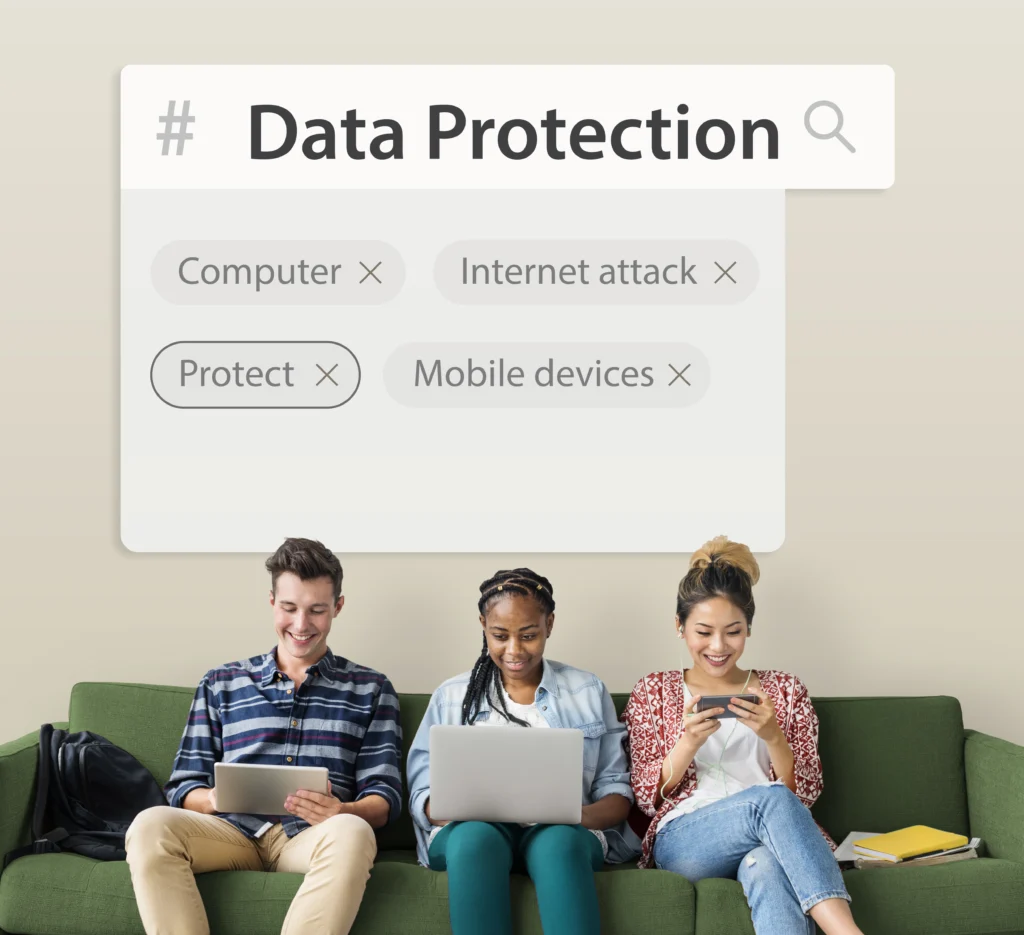
Understanding Online Risks
Know the what you are up against is the first step to staying safe..
- Identity theft: Hackers can steal your personal data and open accounts or make purchases in your name.
- Phishing scams: Fraudulent emails and websites trick you into revealing sensitive information.
- Data breaches: Large scale breache can expose personal information to hackers.
- Tracking and profiling: Advertisers and malicious actors collect online behavior data without consent.
risks allows you to take measures to protect personal data online effectively.
Practical Online Privacy Protection Steps
Strong Password Practices
- Use unique passwords for each account.
- Include a mix of letters or numbers & symbol.
- Avoid common passwords like birthdays or “123456.”
- Use a password manager to securely store and manage passwords.
Two-Factor Authentication Security
- Enable 2FA on all important account such as email or banking and social media.
- Use authentication apps rather than SMS codes for better security.
- Two factor authentication reduces the risk of unauthorized access.
Safe Browsing Habits
- Only visit websites with HTTPS encryption.
- Avoid clicking on unknown links or downloading suspicious attachments.
- Clear cookies and cache regularly to reduce tracking.
- your browser and extensions must be updated for security patches.
Protecting Sensitive Data Online
- Encrypt important files before storing them in the cloud.
- Avoid sharing sensitive information over public WiFi networks.
- Limit personal information shared on social media.
Device and Network Security
Protect Your Personal Information Online: A Complete Guide to Data Safety
your personal information is constantly at risk. from social media to online shopping every action can leave your data exposed. Protect Personal Data Online is essential to stay the safe from identity theft & scams and data breaches. easy step to safeguard your information giving you the tools to confidently manage your online presence.
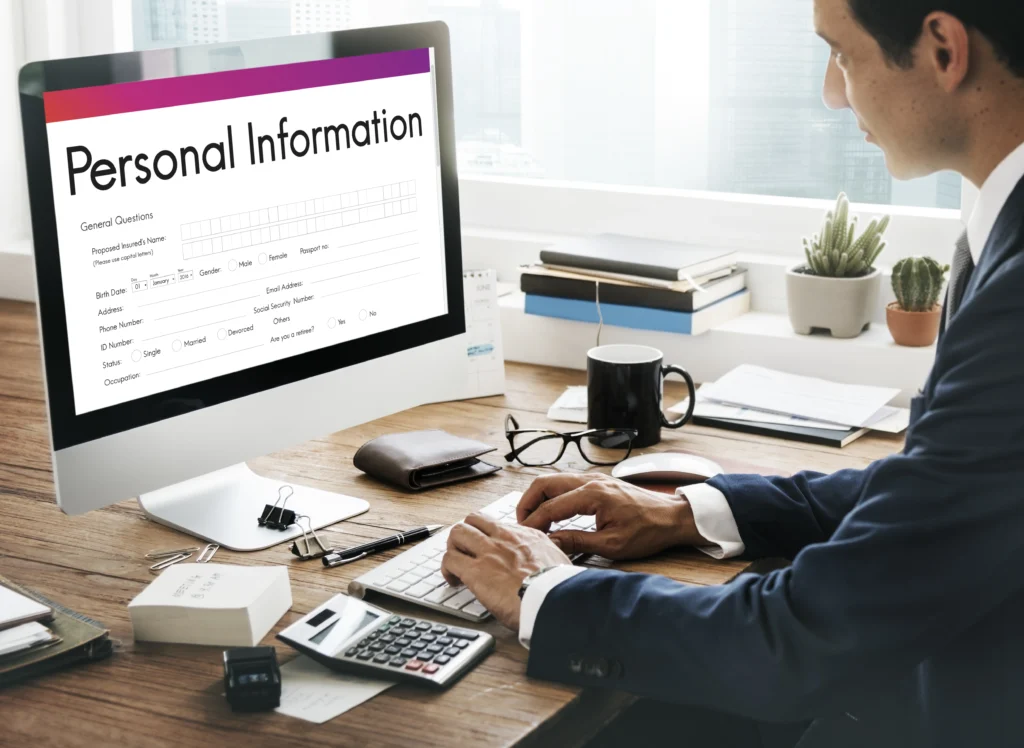
Limiting Oversharing Online
- Review privacy setting on social media platform.
- Avoid posting personal information such as address & phone number or schedule.
- Think before sharing personal experiences or sensitive details.
Securing Your Online Accounts
- Regularly monitor account activity for unusual logins.
- Set up security alerts to detect unauthorized access.
- Combine the strong passwords with two factor authentication.
Protecting Sensitive Information
- Encrypt sensitive documents stored in cloud services.
- Avoid sending personal data over unsecured network.
- Backup important files regularly in secure locations.
Online Data Protection: Key Tips to Keep Your Personal Information Secure
With so much of our lives online. personal information safe has become a daily necessity. every time you log in shop or share on social media your data could be at risk if proper precautions are not taken. Protect Personal Data Online help you to stay one step ahead of hackers & scams and data breaches. simple but effective tips to secure your accounts manage passwords and recognize potential threats.
Cybersecurity Tips for Individuals
- Keep devices and apps updated.
- Install trusted antivirus and anti malware programs.
- Avoid downloading unknown attachments or apps from unverified sources.
Prevent Identity Theft Online
- Check financial statements and online accounts regularly.
- Freeze credit if suspicious activity is detected.
- Stay informed about phishing scams and online fraud tactics.
Data Protection Tips for Everyday Users
- Use secure WiFi connections especially in public places.
- Enable device encryption on laptops and mobile devices.
- Clear cookies and browser history frequently to reduce tracking.
These maintain online data security best practices and safeguard your personal information.
Essential Guide: How to Keep Your Personal Data Safe on the Internet
internet makes life easier but it also puts your personal information at risk. online shopping to social media every action can leave traces that hacker or scammer might exploit. Protect Personal Data Online is essential to stay secure and maintain control over your information. easy to follow tips to safeguard your data manage passwords and recognize potential threats.
Protect Digital Privacy
- Limit access to location data and personal identifiers on apps and websites.
- Adjust social media privacy settings to restrict who can view your content.
- Avoid oversharing on forums or public platforms.
Strong Password Tips
- Change passwords regularly.
- Avoid predictable sequences like “password123.”
- Use long passphrases combining words, numbers, and symbols.
Two-Factor Authentication Security
- Apply 2FA on email, social media, and financial accounts.
- Prefer authenticator apps over SMS for stronger protection.
- Prevents unauthorized access even if passwords are compromised.
Safe Browsing Practices
- Use secure browsers with privacy settings enabled.
- Avoid clicking on suspicious ads or popups.
- Keep browser extensions updated and remove unused ones.
Top Strategies to Protect Your Personal Data Online & Avoid Privacy Risks
Our personal data is constantly at risk online world from cyberattacks to tracking by apps and websites. Protect the Personal Data is essential to stay safe and maintain control over your privacy. the practical strategie you can apply immediately from managing password and securing devices to spotting suspicious activity.
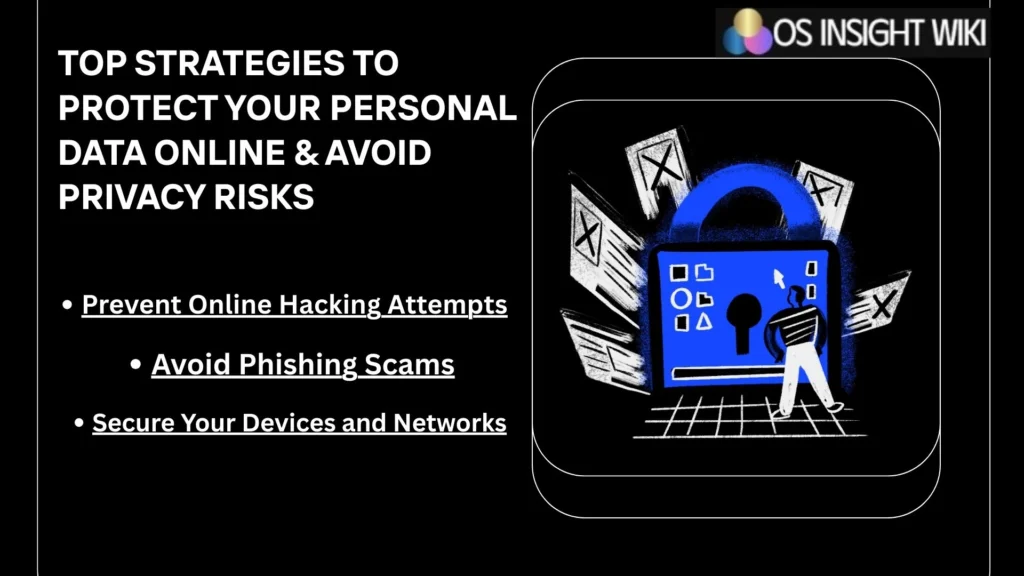
Prevent Online Hacking Attempts
- Keep software and operating systems updated to patch vulnerabilities.
- Install reputable firewalls and antivirus software.
- Avoid downloading files from untrusted sources.
Avoid Phishing Scams
- Verify email senders before clicking links or opening attachments.
- Look for warning signs like spelling errors or suspicious URLs.
- Never share passwords via email or messaging apps.
Secure Your Devices and Networks
- Use strong WiFi passwords and avoid public unsecured networks.
- Enable device encryption and lock screens.
- Backup data regularly to secure locations.
How to Safeguard Your Personal Information Online Expert Data Security Tips
your personal information safe online is more important than ever. from online banking to social media your data can be vulnerable to hackers or scams and breaches if proper precautions are not taken. Protect Personal Data is key to staying secure and maintaining control over your digital life.find expert tips and practical steps to safeguard your information or manage passwords and recognize potential threats.
Use Secure Password Management
- Use a password manager for all accounts.
- Generate complex or unique passwords.
- Update passwords regularly for critical accounts.
Two-Factor Authentication Security
- Apply 2FA to all sensitive accounts.
- Use authentication apps or hardware tokens for stronger security.
- Prevents unauthorized access in case of password compromise.
Protect Sensitive Information Online
- Encrypt documents and sensitive files before sharing or storing.
- Avoid sharing personal information in unsecured chats or emails.
- Limit data sharing with thirdparty apps unless necessary.
Cybersecurity Tips for Individuals
- Educate yourself on common online scams and hacking methods.
- Monitor account activity and bank statements frequently.
- Maintain updated antivirus firewall and security software.
Conclusion
Protecting your personal information online is essential. the practical steps you can protect personal data online from hackers or scams, and identity theft. Using strong passwords enabling two-factor authentication & practicing safe browsing habits are simple yet effective ways to secure your accounts.
Regularly updatings the devices limiting oversharing on social media and monitorings your accounts further strengthen your online safety.online privacy protection and internet safety tips into daily habits ensures your sensitive information remains secure.
Staying the informed and proactive is the key. With consistent effort you can enjoy the benefit of the internet while your personal data safe. Applying these expert measures helps maintain complete online data security best practices and reduces the risk of privacy breaches.
FAQs
Q1: What can you do to protect the safety of your personal data online?
You can protect personal data online by using strong passwords, enabling two-factor authentication, updating devices, and practicing safe browsing habits.
Q2: What are 7 internet safety tips?
Seven tips include: use strong passwords, enable 2FA, secure Wi-Fi, avoid suspicious links, update software, limit oversharing, and monitor accounts regularly.
Q3: What are the 7 personal data protection principles?
They include data minimization, purpose limitation, accuracy, storage limitation, confidentiality, accountability, and transparency when handling personal information.
Q4: What are 8 ways to stay safe online?
Stay safe online by: using strong passwords, enabling two-factor authentication, secure browsing, avoiding phishing scams, updating software, backing up data, limiting sharing, and monitoring accounts.
Q5: What are 10 basic safety rules?
Ten rules: strong passwords, 2FA, secure Wi-Fi, update software, use antivirus, encrypt sensitive files, safe browsing, avoid suspicious emails, limit social sharing, and monitor accounts.
Q6: What are those five-five tips to stay safe online?
Use five personal habits: strong passwords, 2FA, cautious sharing, updated software, safe browsing; and five device habits: antivirus, secure Wi-Fi, encryption, backups, account monitoring.

Pingback: Data Privacy Fundamentals: What Everyone Needs to Know - OS Insight Wiki